
UGC-style ads are effective because they feel direct, specific and easy to understand, yet producing enough presenter variations for testing can become expensive. AI avatar video offers a faster path from script to spokesperson clip, but a polished digital presenter is not automatically believable user-generated content. This article tests where avatar-led product ads work, what makes them feel artificial and how brands can protect accuracy while producing more creative versions.
Can an AI Avatar Video Feel Like a UGC Product Ad?
Yes, when the avatar delivers a specific product message in a conversational format, but it must not pretend to be an unscripted customer testimonial. The goal is creator-style communication, not fabricated personal experience.
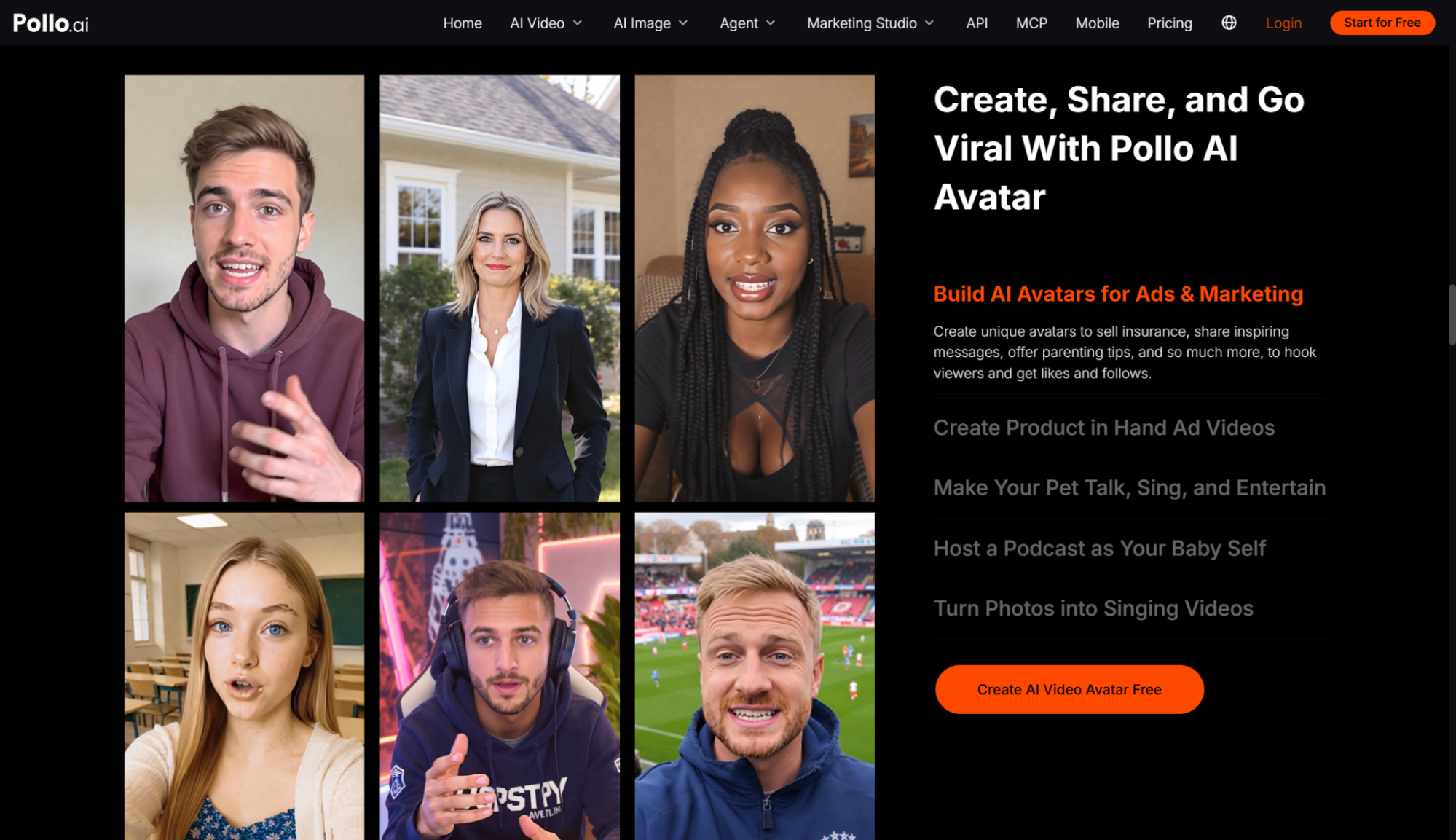
Brands can create AI avatar product ads from a presenter photo, script or audio when they need repeatable hooks, product introductions and offer variations. Pollo AI says its Avatar workflow can create expressive talking presenters and place products into avatar scenes. That makes it useful for demonstrating a message without arranging a new camera crew, provided the product image, claims and relationship between presenter and brand are represented honestly.
How Do You Build a Convincing Avatar Led UGC Ad?
Start with one customer problem, one verifiable benefit and one natural action the presenter can perform with the product. Then build variations from an approved base ad.
- Write a problem-first hook. Open with the situation the audience recognises, not a generic greeting or a claim that the presenter personally bought the product.
- Use accurate product references. Provide current packaging, colors and product views. Reject any result that changes the logo, shape, included accessories or scale.
- Create platform-ready variations. Once the base presenter and product look accurate, build UGC video ad variations with different hooks, pacing and calls to action while keeping the approved product facts unchanged.
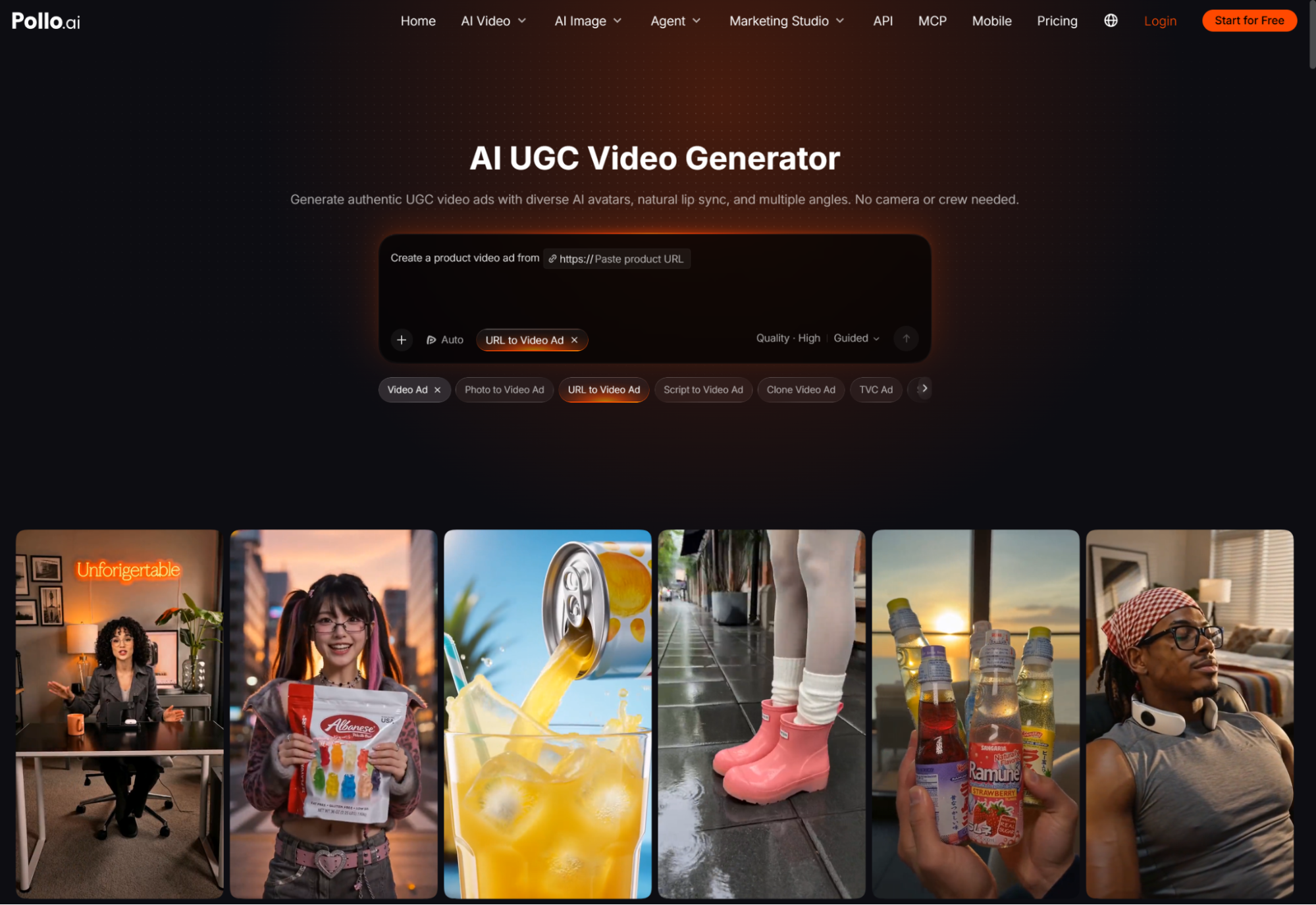
- Direct one believable action. Ask the avatar to hold, point to or introduce the product only when that action supports the line. Too many gestures make the clip feel staged.
- Add proof outside the performance. Use verified ratings, demonstrations or approved data as separate on-screen evidence rather than placing invented experience in the avatar’s mouth.
What Makes an AI Avatar UGC Ad Feel Fake?
Overwritten scripts, constant enthusiasm, inaccurate products and unsupported first-person claims make avatar ads feel artificial. A natural delivery cannot fix a misleading premise.
| Weak choice | Why it fails | Better approach |
| I have used this for months | Implies an experience that may not exist | Here is how the product works |
| Every line is excited | No emotional contrast | Use calm explanation and one energetic benefit |
| Product changes in the hand | Breaks visual trust | Regenerate from verified references |
| Five benefits in 20 seconds | Sounds like a compressed sales script | Focus on one problem and one result |
| No synthetic-content review | May conflict with platform rules | Check current labels and ad policies |
Which Products Suit Avatar UGC Style Ads?
Simple products with a visible form, clear use case and easy-to-verify benefit are the strongest candidates. Complex demonstrations and regulated outcomes require real evidence and stricter review.
Packaged consumer goods, accessories, simple household items and software introductions can work when the ad explains rather than pretends to review. Technical equipment, medical products and financial offers need careful claim approval and may require real demonstrations or qualified presenters. If a product’s value depends on texture, fit or physical performance, combine the avatar explanation with authentic close-ups or verified footage.
How Should Brands Test AI Avatar Ad Performance?
Test the hook, presenter and offer as separate variables so the team knows what changed performance. Do not compare five completely different ads and attribute the result to the avatar alone.
Begin with two hooks using the same avatar, product footage and call to action. Then test a second presenter while keeping the winning hook. Track watch time, click-through, conversion quality and negative feedback. Review comments for signs that viewers misunderstood the presenter as a real customer, and revise the wording or disclosure when necessary.
Ready to Test an Avatar Product Ad with Pollo AI?
Create one 20-second ad built around a real customer problem and one approved product benefit. Use Pollo AI Avatar for the presenter, inspect the product and performance frame by frame, then produce a second hook without changing the factual core. The most convincing result will feel clear and relevant while remaining honest about what the avatar represents.